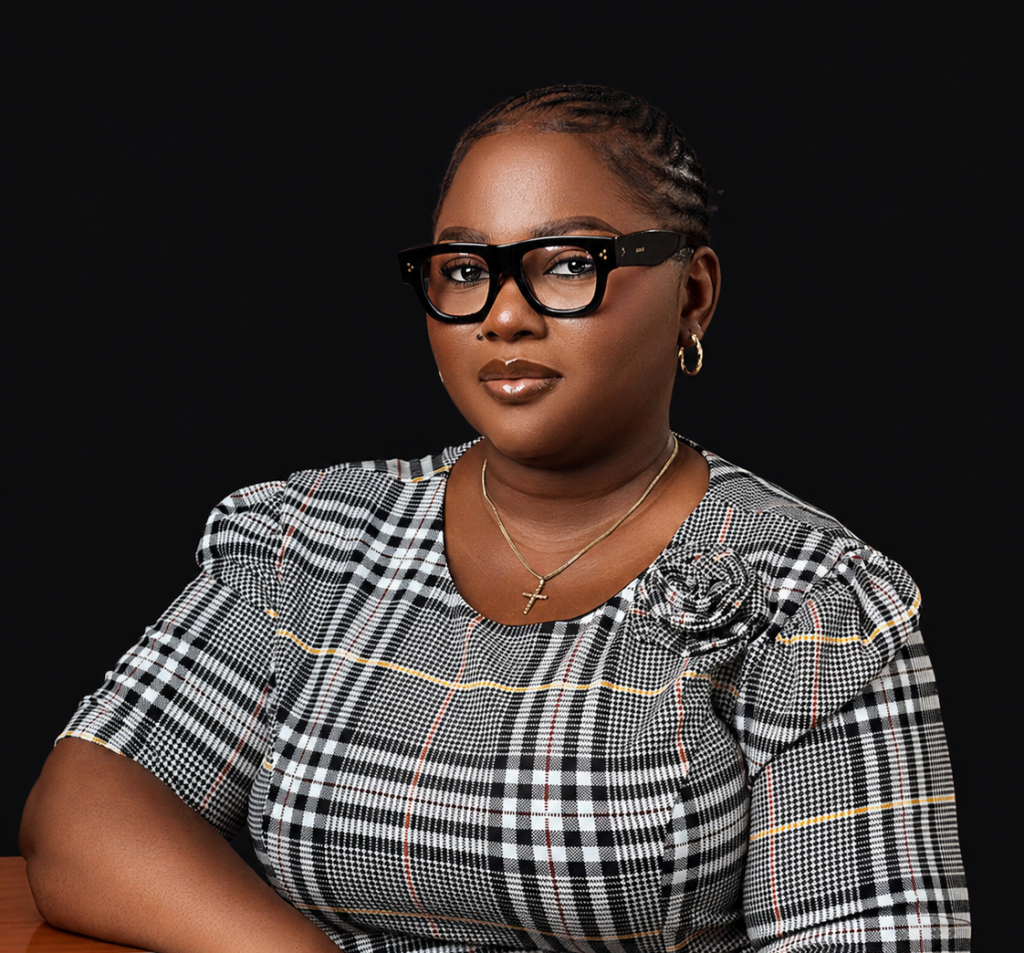
ABOUT
I am a literary scholar, writer, and researcher working in postcolonial literary studies, ecocriticism, and the environmental humanities, with a focus on African and Global South literatures. My research examines questions of land, memory, and representation in contexts shaped by colonialism and its afterlives. In particular, I explore ecological change, cultural identity, and forms of resistance through literary texts.
I hold a Master of Arts in Literature from the University of Lagos and a Bachelor of Arts in English Language from Ahmadu Bello University. Throughout my academic training, I developed a strong foundation in close textual analysis, postcolonial theory, and African literary studies. For my master’s research, I examined questions of agency and subjectivity in the dramatic works of Wole Soyinka and Femi Osofisan. Earlier, my undergraduate research explored language, meaning, and cultural context in Chinua Achebe’s Things Fall Apart. These projects established a sustained engagement with Nigerian literature and its political, cultural, and ethical concerns.
My current research builds on this foundation by foregrounding ecological questions in postcolonial contexts. Specifically, I investigate the relationship between land, memory, and narrative form. I also consider how literary texts represent ecological disruption, belonging, and resistance. Drawing on postcolonial ecocriticism and the environmental humanities, I approach literature as a critical site for rethinking relationships between humans and the more-than-human world.
Alongside my academic research, I pursue writing as both a critical and an epistemological practice. I treat narrative and literary form as ways of generating knowledge and interpreting experience. As a result, my interest in storytelling, aesthetics, and ethical representation extends beyond scholarship into independent writing, literary workshops, and research-led creative projects.
My work continues to develop through sustained research, public engagement, and academic collaboration. Through both scholarship and writing, I remain committed to exploring literature as a critical site for examining culture, history, and the evolving relationship between people, place, and society.